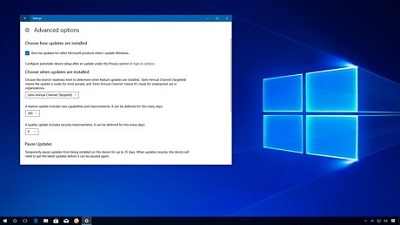
 October 22, Microsoft started rolling out an optional cumulative update for Windows 10 version 1903 with fixes for critical bugs. In addition to the optional cumulative update, Microsoft also shipped a standalone package KB4523786 to make quality improvements to Windows Autopilot configured devices. Windows Autopilot is commonly used by businesses and enterprises to set up and pre-configure new devices in their organizations. Businesses also use Windows Autopilot to reconfigure, recover and reset devices in the organization, and KB4523786 comes with several fixes for such devices. A number of users have reported that Microsoft accidentally delivered KB4523786 to PCs with Windows 10 Home and Pro. If you see ‘Cumulative update for Autopilot in Windows 10 version 1903: October 22, 2019’ on Windows Update page when you check for updates, you should avoid it. Windows 10 doesn’t immediately restart after downloading the patch. Instead, it will offer you to restart the PC and schedule the restart. In this case, you can click on pause updates for 7 days and the patch will not appear again when Windows checks for updates next time. KB4523786 is supposed to be a cumulative update for Autopilot-configured devices and not for normal installations of Windows 10. In a tweet, Microsoft’s Intune team has confirmed that the update was released accidentally and it has been pulled: “Sorry for your experience! An Intune Autopilot update, which was targeted as part of the out of box experience for new devices, was incorrectly offered to customers running Windows Home edition during a regularly scheduled Windows update scan,” a Microsoft representative stated. “Once we became aware of the issue, we stopped distribution of the update. If you have already installed the update, it will not affect you. If not, there is further action required”. Further details can be found on OUR FORUM.  Google is making a big change in the way it presents search results. Most people won’t notice, but, Google executives said, the new technology represents a leap forward in the company’s ability to understand what people are asking for when they search. Google’s search engine uses natural language processing to analyze queries. For example, for the entry “get medicine at pharmacy,” Google will home in on the words “medicine” and “pharmacy” and look for pages related to those two keywords. Starting today, the company is rolling out a new machine learning-powered language processing method called Bidirectional Encoder Representations From Transformers, or BERT for short. BERT looks at the sequences of words in searches — not just the words themselves — to glean more information on the intent behind them. For example, results for “can you get medicine for someone pharmacy” would previously have served a link to a 2017 MedlinePlus article about getting a prescription filled, and missed the point that the search was looking for information on how to pick up a prescription for someone else. Using BERT, Google’s search engine now shows a 2002 article from the Department of Health and Human Services about how to have a friend or family member pick up the medicine on your behalf. Pandu Nayak, Google’s vice president of search, gave another example at a press event yesterday, using the query “How old was Taylor Swift when Kanye went on stage?” Before BERT, Google surfaced videos of the 2009 event during which the rapper interrupted the pop star’s acceptance speech at the MTV Video Music Awards. After BERT, Google presents as its first result a snippet from a BBC article, which states: “A 19-year-old Swift had just defeated Beyoncé to win Best Female Video for her country-pop teen anthem You Belong With Me.” Google's search returns automatically highlighted “19-year-old” for emphasis. Learn more by visiting OUR FORUM.  FBI has updated and expanded the resources and tools designed to help political campaigns, private businesses, and individuals to better understand and mitigate risks posed by foreign entities' cyber intrusions and disinformation efforts during the 2020 U.S. election season. This information is shared through the Protected Voices initiative that raises awareness of potential cybersecurity vulnerabilities, thus making it possible for political campaign managers, staff, and IT directors to prevent foreign actors from hijacking their message. "We’ve created these Protected Voices videos to showcase the methods these adversaries might use, and to help campaigns practice good cyber hygiene because the foundation of election security is cybersecurity," Director of the FBI Chris Wray says. The FBI, in collaboration with the Department of Homeland Security (DHS) and the Director of National Intelligence (DNI), has released a series of short videos containing both guidance and information to help political campaigns identify defend their computer networks from foreign intelligence efforts as part of this effort initially launched in 2018. "The tutorials and online resources explain the nature of foreign influence and social engineering, highlight common areas of vulnerability, and offer cybersecurity measures to help campaigns, companies, and individuals protect themselves against common Internet-enabled crimes," says the FBI press release. "We were hearing campaign personnel say, ‘We know election security is important, but what do we need to do?’" Bradley Benavides, a section chief with the Foreign Influence Task Force, added. "The Protected Voices series is designed to answer that question. These are the steps your information technology team needs to take. This is the training you should give every campaign worker and volunteer. This is where you are vulnerable. This is where you need to be on guard." Full details can be found on OUR FORUM. |
Latest Articles
|